
Scottish Parliament 2026: How to vote
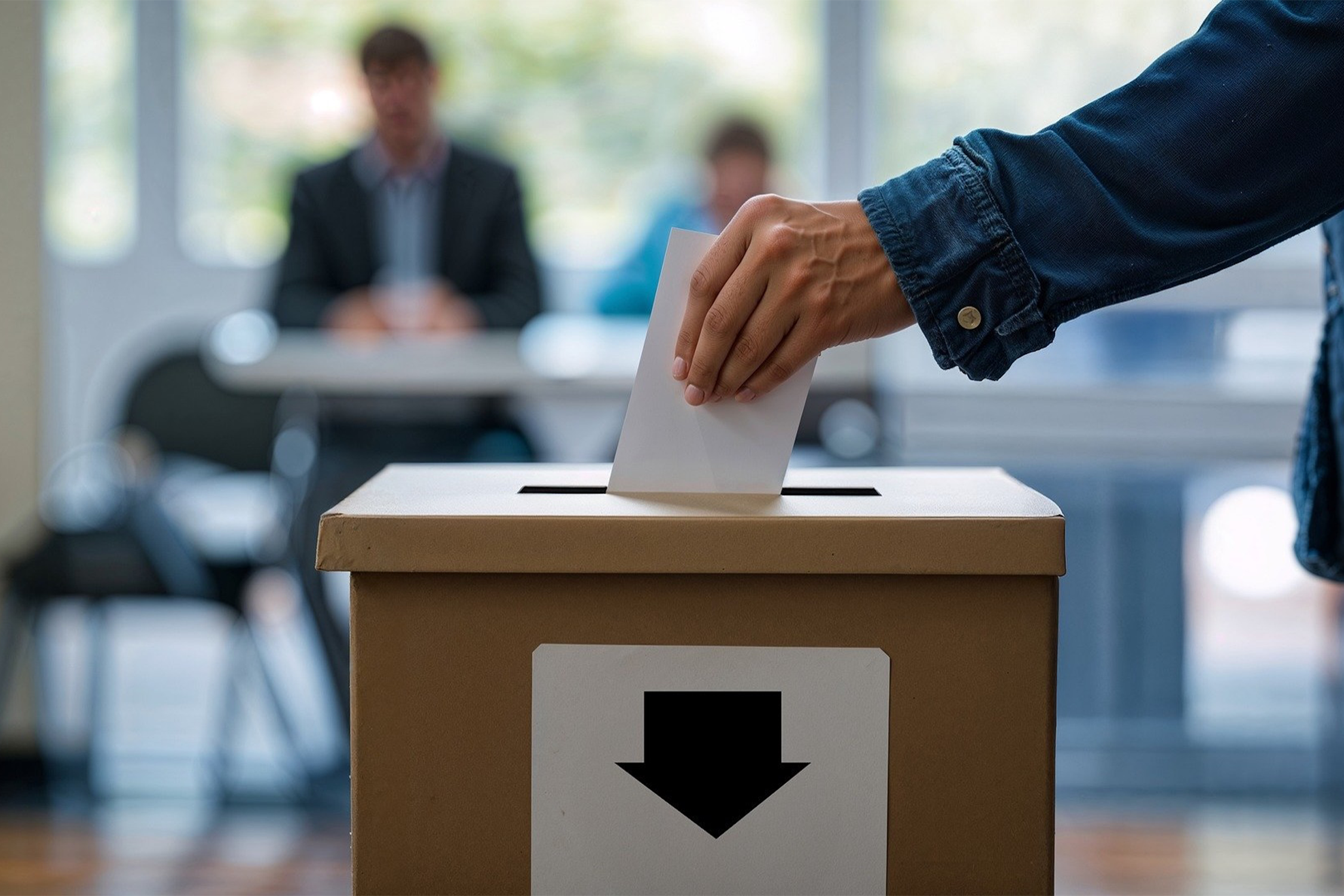
On Thursday May 7, people across the country will vote for who runs Holyrood for the next five years. The MSPs (Members of the Scottish Parliament) elected will be making decisions about drug policy, housing, money, policing – stuff that affects your day-to-day life.
Some of us at Buzz have never voted before, while some of us never miss an election. But we all know that anyone who wants to vote should be able to. We also know it isn’t always that simple. It can feel like our views aren’t welcomed as part of the political conversation, and that taking part in elections is for other people. Plenty folk in our communities face real barriers that stop them taking part.
Even the basics can seem like a bit of a mystery if no one’s ever thought to give you the information – that’s where stigma gets us. It’s why we’re going to bust some myths and answer some of the questions the people around us have. We hope this is something you can hold onto, to keep you right in this election and future ones, and to open the door to voting for anyone who wants it.
If you want to vote, you must register by 5pm on Monday April 20.
I NEED ID TO VOTE
You do not need photo ID to vote in this election. You might have heard about a new rule brought in for UK-wide elections – like general elections to decide the Westminster Government – requiring ID, but this doesn’t apply to Scottish Parliament elections.
I’M NOT ELIGIBLE TO VOTE
To take part in Scottish Parliament elections, you need to be: living in Scotland; 16 or older on the day of the election; a British or Irish citizen, or a citizen of another country with permission to enter or stay in the UK.
I CAN’T VOTE WITHOUT A POLL CARD
The cards sent in the post ahead of election day are to give you information on when to vote and where – you don’t need to take one with you to vote. You just need to make sure you’re registered in advance, and someone at your polling station will ask for your name and address when you arrive to tick you off a list.
I DON’T HAVE AN ADDRESS
People who are homeless or don’t have a fixed address can still vote. To register you’ll need to fill in a form from your local electoral registration office (part of the council). People who are in prison and awaiting trial can do the same thing. You’ll be asked for a national insurance number when you register, but you can carry on registering without one.
I DON’T WANT MY DETAILS ON THE ELECTORAL ROLL
If you’re worried about your safety, or the safety of someone you live with, you have two options.
You can opt-out of the ‘open’ register when you sign up to vote. This means people who can look at this register – it can be bought by any person or organisation – can’t see your details. Your details will stay on the ‘full’ register, meaning you get the benefits, like it being easier to get credit. The full register can only be used for the election and for campaigning (like politicians sending leaflets to your address). The authorities can use this register for “preventing and detecting crime”, especially fraud. We know this is a big barrier for a lot of people.
Or you could sign up to vote anonymously. This means your details aren’t visible on either register, and the people who look after your information will only hand it over if they legally have to. Survivors of domestic abuse often go for this option.
I CAN’T VOTE IN PERSON
You can apply for a postal vote, which is exactly what it sounds like – you’ll get a ballot paper in the post, fill it in, and post it back. The deadline to apply for this is 5pm on Tuesday April 21. Alternatively, register for a proxy vote and send someone you trust to either vote on your behalf or complete a postal vote for you. Apply before 5pm on Tuesday April 28.
You should register to vote before applying for either of these. To register to vote or apply for postal/ proxy votes, visit gov.uk. Get more details and forms for all of the above from the Electoral Commission website or the Scottish Government.
WHO AM I VOTING FOR ANYWAY?
Scotland’s voting system basically means you get two votes. It’s a different system than the one used for Westminster general elections.
On your first ballot paper, you choose a local MSP to represent your area. This is called a constituency MSP – Scotland is split up into 73 constituencies, choosing one MSP each, and whoever gets the most votes wins.
And on the second, you choose a party or person to represent your wider area. This is called a regional MSP. The way these are added up is more complicated and a bit of a headache even for election workers.
On both ballot papers, the only writing you need to do is to mark an X next to the person or party you want to vote for.
The final list of candidates for each area will be made official closer to the election. You can enter your postcode for information on who you could vote for, and how to contact them, on Who Can I Vote For.
I want to ask politicians about drug-related issues
If you want to speak to your local candidates about their plans for drug policy – either by phone or email, when they’re knocking doors in your area (canvassing) or at public debates (hustings) – you could use these as starting points:
• What will you do to end drug deaths in Scotland?
• How will you make drug treatment available to more people?
• What will you do about the poverty linked to drug harms?